

Overview
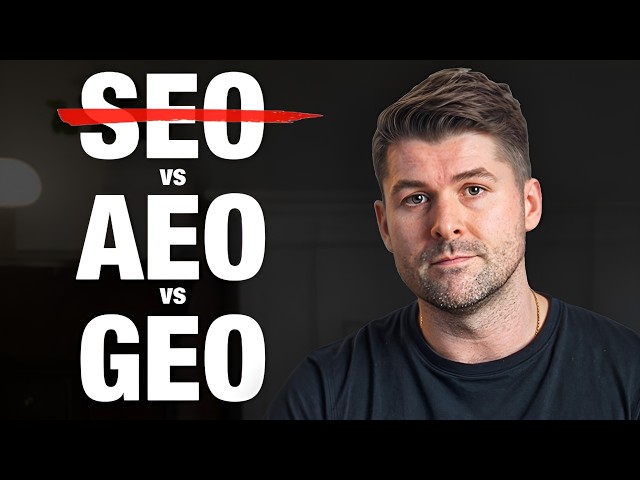
The landscape of search engine optimization (SEO) is evolving at an unprecedented pace, driven by the rise of artificial intelligence (AI) and conversational search platforms. As more businesses and founders recognize the enormous revenue potential of AI Engine Optimization (AEO), understanding how to adapt your SEO strategy to these changes becomes essential. In this article, we’ll explore what AI search means for your business, practical steps to optimize for it, and how to ensure your brand gets noticed in the new era of digital discovery.
What Is AI Search and How Does It Differ from Traditional SEO?
While traditional SEO has revolved around optimizing for Google’s keyword-based search results, the advent of AI-powered platforms like ChatGPT, Gemini, and Google’s AI Overviews is reshaping how users search for information. AI search platforms leverage large language models (LLMs) to pull data from a wide range of trusted sources and generate conversational answers. Unlike Google’s historical reliance on specific keywords, AI search places greater emphasis on context, semantic richness, and natural language queries.
Google may still handle 13–14 billion searches a day, but over 50% of those end with AI Overviews answers generated by Google’s own AI. Meanwhile, users are growing more comfortable with conversational platforms, seeking instant, context-rich information.
Four Essential Steps to Getting Your Business Seen in AI Search
1. Create Content Optimized for AI Search Platforms
AI search engines assemble answers from multiple reputable sources. To become one of these sources, your content needs to answer real user queries in a conversational manner. Traditional keyword-stuffing isn’t effective. Instead, structure your content around potential questions your customers might ask for example, “What is the best CRM software for small businesses?” Use clear headings (H1, H2, H3…) and focus each section on a distinct, human-sounding query.
Draft your content naturally, as if you’re explaining solutions to a friend. Tools like voice transcription or screen recording can help you capture a conversational tone. This approach makes your content more likely to be referenced by AI when assembling its answers.
2. Emphasize E-E-A-T: Experience, Expertise, Authoritativeness, and Trust
Building trust is critical, both for users and AI. Content that references real-life experiences, expert opinions, testimonials, and case studies is favored. Reference high-authority sources, include data and multiple perspectives on complex subjects, and tackle common objections or misconceptions about your product or service. Thoroughness and transparency will help AIs understand and cite your content more often.
3. Build Semantic Richness and Context
AI models value diverse language and related concepts more than exact keyword matches. Expand each topic with various descriptions, analogies, and linked ideas. Separate your content into digestible sections using logical sub-headings, bullet points, and tables. This helps AI retrieve specific answers and cite your brand as a source. For feature or price comparisons, tables are especially effective as AIs interpret structured data more efficiently.
4. Take Advantage of FAQs and Citable Content
FAQs are highly valuable in AI search. If your site features a question as a heading followed by a clear answer, AI platforms are far more likely to reference you. Populate your website with precise, regularly updated FAQs relevant to your industry and audience’s needs.
Technical Optimization for AI and SEO
1. Leverage Schema Markup
Schema is a specialized form of structured data that helps search engines and AI understand your content and business identity. Two schemas are essential:
- Organizational Schema: Communicates your brand’s identity, including links to your social profiles. Make sure your profiles are active and consistent to strengthen your brand’s online entity.
- Article Schema: Labels your content with details about the author, publication date, last updated date, and more. Prioritize associating posts with real experts, and keep schema information up to date whenever the article changes.
2. Ensure Site Accessibility and Clarity
AI bots mostly read raw HTML, so keep your main content in HTML rather than JavaScript. Provide descriptive alt text for images and transcriptions for videos to aid AI comprehension. Maintain a clear site structurea logical hierarchy of topics and accessible sitemaps makes crawling easier for both search engines and AI.
Regularly update and submit your sitemaps to major search engines like Google and Bing (which also powers some AI models). Confirm that your robots.txt and other relevant files allow access to both traditional crawlers and AI bots.
Building Authority Beyond Your Website
AI models don’t just learn from your sitethey draw insights from across the web. Major data sources for LLMs include platforms like Wikipedia, Reddit, Quora, Crunchbase, Yelp, and Google Maps. To solidify your brand authority:
- Engage in user-generated content platforms: Offer valuable, transparent advice in relevant discussions on Reddit, Quora, or industry forums. Honest, expert contributions tied to your brand help shape positive AI sentiment.
- Get listed on large knowledge bases: Ensure accurate representation of your business on Wikipedia, Crunchbase, Yelp, and similar reputable sites. These boost your brand’s “entity” strength, making AIs more likely to mention you.
- Pursue media coverage and digital PR: Being cited by notable publications increases your brand’s authority in AI databases. Reach out to journalists or industry bloggers to share research, data, or expert commentary.
Conclusion
SEO isn’t dead, but it’s rapidly changing as AI-powered search platforms become more mainstream. By adapting your content to prioritize conversational quality, E-E-A-T principles, semantic depth, and technical accessibility, your business can get ahead in the new era. Don’t overlook the value of building your brand authority across external platformsevery mention shapes how AI models learn and cite your business. Start integrating these strategies now to position your brand for continued growth as AI search becomes the dominant way people find information online.
Note: This blog is written and based on a YouTube video. Orignal creator video below: