

Overview
Success in business isn’t simply about the titles you hold or the work you deliverit’s about navigating the complexities of power, strategy, and social intelligence. To thrive in a fast-paced, ever-evolving environment, mastering the subtle dynamics of influence, adaptability, and human psychology is vital. In this article, we explore the nuanced lessons for building and sustaining power in business, derived from insights into strategy, presence, and personal development.
Thinking Several Moves Ahead: The Foundation of Power
True power in business demands a vision that extends far beyond the immediate horizon. Strategic leaders consistently think two or three moves ahead, holding a clear sense of their intention and direction. By cultivating this foresight, you become an architect of your own path, shaping circumstances rather than merely reacting to them.
However, strategy also involves a measure of secrecy. Keeping your intentions partially concealed ensures others cannot predict your next move. This keeps competitors and even colleagues on their heels, providing you maneuverability and the advantage of unpredictability. As you navigate your business journey, remember: your clarity of purpose should be internal; externally, maintain a strategic ambiguity to safeguard your position.
The Power of Presenceand Absence
Influence is not always projected by speaking loudly or being constantly visible. In fact, restraint often carries greater weight. Speaking less instills an aura of mystery; it suggests confidence and control, while verbosity can betray insecurity and signal a lack of discipline.
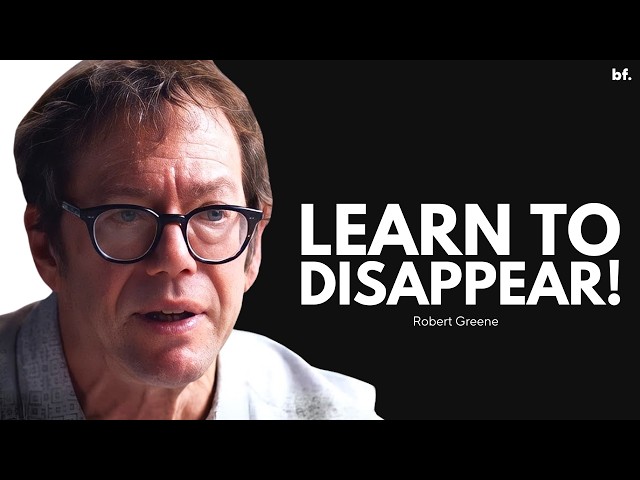
Human interaction is inherently performativeeveryone adapts their behavior based on context, whether in front of a parent, a friend, or a superior. Mastering this performance means knowing when to step forward and when to recede. Icons like Michael Jackson and Greta Garbo famously practiced strategic withdrawal, leaving the public curious and engaged. In business, occasional absence can sharpen your presence. Make your appearances count, and avoid becoming predictable or taken for granted. Absence fuels anticipation; presence delivers impact.
Adaptability: The Hallmark of Enduring Leaders
Many leaders rise to power leveraging their innate strengthsbe it aggression, charisma, or eloquence. However, the business world is in perpetual flux, and yesterday’s assets can become today’s liabilities. The best leaders possess the flexibility to adapt their approach as circumstances demand. They move fluidly, like water shaped by the riverbed, responding to change rather than resisting it.
Sticking rigidly to one playbook or personality can be a recipe for stagnation, especially in an environment hungry for novelty and dynamism. To keep the attention and respect of colleagues, clients, and the market, remain adaptable and occasionally reinvent yourself. Inspiration can even be drawn from the arts, where enigmatic public figures leverage both engagement and withdrawal to maximize their allure.
Business is as much about people as it is about products or profits. Understanding the psychology of those above, beside, and below you is essential. Every personespecially those in positions of powerguards an ego that is often more fragile than it appears. Consistently outshining your superiors or ignoring their need for recognition can trigger insecurity, resentment, and eventually, career roadblocks.
Strive for a balanced approach: execute exceptional work, but allow those above you to share in the credit. Let their reputations benefit from your contributions, while subtly ensuring your role does not go unnoticed. Avoid excessive humility, which can be interpreted as weakness, but be conscious of the nuanced dance between assertion and deference. Remember, the golden rule in any power dynamic is never to embarrass or diminish others’ sense of self-worth.
The Value of Generosity and Fair Exchange
Nothing in business comes without strings attached. Offers that seem too generous often harbor hidden agendas. Conversely, being excessively frugalwhether with salary, resources, or recognitionreveals insecurity, not strength. Generous leaders who reward performance and acknowledge contributions foster loyalty, motivation, and a robust organizational culture.
Pay employees and collaborators fairly, even as you maintain certain professional boundaries. Generosity, grounded in confidence, signals security and maturity. It is a cornerstone of sustainable influence.
Social Intelligence: Turning the Focus Outward
Perhaps the most important skill for long-term success is the ability to focus outwardon people, trends, and the broader worldrather than becoming consumed by your own desires and insecurities. Develop the discipline to observe, empathize, and decode the intentions of others. Social intelligence means reading the room, anticipating needs, and recognizing underlying motivationsespecially the fears and ambitions that drive behavior in business.
If you shift your attention to truly understanding colleagues, superiors, and clients, you’ll notice more opportunities and avoid the pitfalls of miscommunication. Self-absorption limits perspective, while proactive observation opens doors.
Personal Growth: Making Your 20s and 30s Count
Your early career is a period of exploration, learning, and self-discovery. While enjoying the energy and freedom of your twenties, focus on skill acquisition. Pursue a variety of interests and develop expertise in multiple areas, so by the time you reach your thirties, you’re equipped with a robust toolkit that forms the bedrock of your professional success.
Mastering new skills requires enduring tedium and overcoming frustration, but the investment pays off exponentially over time. Avoid spreading yourself too thin or becoming overly linear in your approach. Balance adventure with discipline, curiosity with commitment.
Conclusion
Successful people in business aren’t simply the most talented or the hardest workingthey are strategic, adaptable, socially intelligent, and generous. They understand the interplay between presence and absence, the necessity of managing egos, and the value of focusing outward. By embracing these principles, you can navigate the nuanced terrain of business with confidence and secure your place as an influential, respected leader.
Note: This blog is written and based on a YouTube video. Orignal creator video below: