

Overview
The world of search engine optimization (SEO) is undergoing its most dramatic transformation in decades. With the rollout of Google’s AI-Mode Overview (AMO), the traditional chase for traffic and rankings is quickly losing relevance. Instead, Google is shifting its focus to trust, citations, and true authority. In this post, we’ll break down what’s changed, why it matters, and actionable steps you can take to future-proof your search visibility.
Chapter 1: The Citation Economy – From Traffic to Trust
The SEO game has fundamentally changed. Google has evolved from being in the traffic business to being in the answer business. Now, when users search, they’re met with AI-generated summaries at the top of the results page. Underneath that answer, Google cites the sources that contributed to its response. If your website isn’t among those sources, it’s as if you’re invisible.
Traditional SEO revolved around ranking high for popular keywords to win clicks. But with AMO, clicks are no longer the key metric. The new currency is credibilitybeing cited as a trusted source by Google’s AI systems. This demands far more than just keyword optimization. It requires recognized expertise, authoritative brand mentions, structured data that’s easily parsed by machines, and a robust digital footprint. Data shows that 72% of users now want concise answers, not lengthy lists of links, while 76% seek conversational, synthesized responses from their queries.
To win in this new era, brands must transition from creating content for rankings to building unmistakable authority that AI recognizes and references.
Chapter 2: Complexity as a Moat – Targeting Nuanced Problems
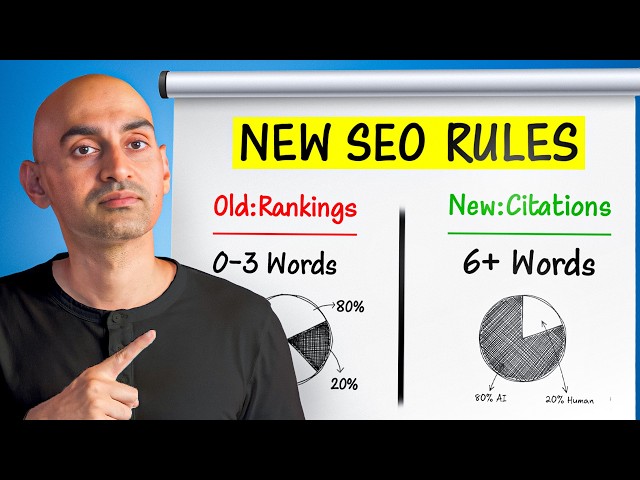
Simple, straightforward questions are now handled directly by AI. But complex, multi-faceted queries still require credible sources. Studies reveal that long, intricate queries (six words or more) trigger AI overviews with source citations 77% of the timeas opposed to only 23% for short queries. This pattern uncovers an opportunity: depth and specificity are your competitive edge.
Instead of chasing high-volume, broad keywords, websites should invest in building comprehensive resources around complex, niche problems. AI seeks out nuanced, authoritative contentoften originating from real-world experience and proprietary insights. Generic blog posts and listicles are far less likely to be cited. Instead, focus on publishing deep, detailed content that demonstrates thought leadership.
Smart businesses are no longer optimizing merely for volume; they are constructing defensible positions (or “moats”) around complexity, where true expertise is indispensable and highly valued by AI.
The majority of searches on Google now result in zero clicksmeaning users get their answers without visiting any websites. Prior to the broader rollout of AI mode, 57% of searches were already zero-click; after, that number climbed to 59%, with expectations of gradual increases each year. Google’s strategic response to emerging AI competitors like ChatGPT has been to evolve from a gateway to content into the destination for answers.
This evolution means measuring success by clicks or traffic is no longer sufficient. Instead, the true measure of SEO effectiveness becomes brand trust and authority. The goal is to be cited in Google’s AI responses rather than merely chase organic clicks. Embracing this zero-click landscape requires a mindset shiftone in which earning visibility within AI-generated answers becomes paramount.
Chapter 4: The Authority Tax – Building Brand for the Long Term
Most of the classic SEO fundamentalskeyword research, technical optimizations, and link-buildingare now considered mere table stakes, simply the price of entry. AI-powered search algorithms now place a significant premium on brand reputation and authority. Data suggests that it can take up to 10 years for a business to achieve significant brand awareness and credibility in its industry.
Brands that began cultivating their authority years ago will enjoy a marked advantage. AI mode strongly favors established organizations, recognizable publications, and businesses with a history of authoritative citations. The path forward is clear: commit to consistent, quality publishing, earn mentions from respected industry sources, leverage structured data to communicate expertise, and always prioritize content depth over breadth.
There are no shortcuts in this new erabuilding authority demands patience, discipline, and a long-term outlook.
Chapter 5: The Search Everywhere Shift – Beyond Google
The nature of search itself is expanding. While Google remains dominant with nearly 14 billion searches daily, other platformsInstagram, Amazon, TikTok, YouTube, Facebook, and even the Apple App Storeprocess billions of queries every single day. Each platform employs its own AI-driven recommendations and discovery algorithms.
Succeeding in this environment means ensuring your content and brand are discoverable wherever your audience is searchingnot just on Google. Today’s winning brands maintain omnichannel visibility, consistently appearing across multiple platforms, publishing in diverse formats, and building authority that AI systems can recognize and reference everywhere.
This strategy future-proofs your digital presence and maximizes your reach, ensuring you won’t be left behind as search continues to disperse across the digital landscape.
Conclusion
SEO as we knew it is rapidly evolving. Google’s AMO strategy has ushered in an era where authority, expertise, and trust matter far more than sheer rankings or traffic numbers. Traditional SEO tactics are now baseline expectations; real success stems from cultivating deep, multi-platform brand authority that earns citations from AI-driven search tools. As search continues its migration from clicks to citations and from Google to “search everywhere,” the brands willing to invest consistently in building true credibility will secure lasting visibility and influence.
Note: This blog is written and based on a YouTube video. Orignal creator video below: