Overview
The world of social media is undergoing a seismic shift, making room for a new breed of digital stars: AI influencers. With the right free tools and a clear workflow, anyone with a laptop can create captivating AI-driven personalities that attract followers and brand deals. This in-depth guide will show you how to develop, polish, and monetize your own AI influencer from scratchno technical or creative background required.
What Are AI Influencers and Why Do They Matter?
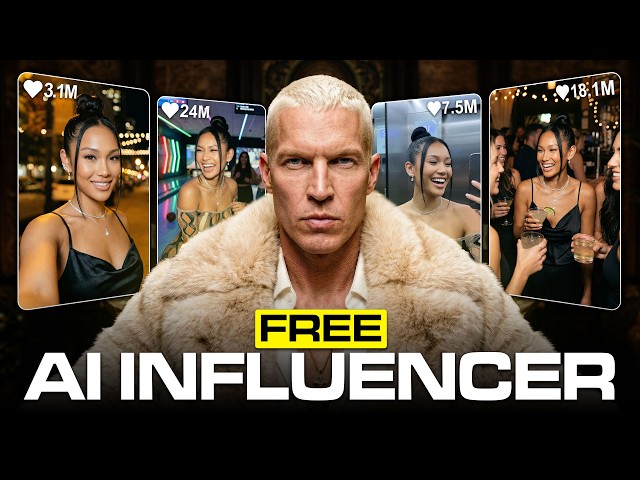
AI influencers are digital characters generated by artificial intelligence, capable of building audiences, securing collaborations, and driving revenue. Unlike traditional influencers, AI personalities are designed and animated entirely with software, giving creators total control over branding, content, and monetization strategies. Prominent examples such as Itana Lopez and Rabbi Goldman demonstrate the massive growth potential and profitability of this emerging genre.
Building Your AI Influencer: Step-by-Step Workflow
1. Generate Consistent Character Images
The foundation of any AI influencer is a consistently designed character. Start by searching platforms like Pinterest for inspiration and saving images that match your desired aesthetic. Using tools like Claude AI or ChatGPT, you can extract key traits and generate prompts optimized for image models such as Nano Banana 2.
- Extract Character Details: Use AI text models to analyze your reference image and generate a new, unique character prompt.
- Image Generation: Go to Google Flow, select Nano Banana 2, and set up image specifications (such as resolution and image count). Add your prompt and iterate until you achieve a look you’re satisfied with.
- Multiple Angles and Details: Use text prompts and reference images to create side profiles, back shots, close-ups, and full body images. This provides a comprehensive character board for consistency across different scenes.
- Outfit Consistency: Generate full body images with specific outfit prompts, then use clothing replacement features to ensure consistency across all images.
2. Create a Master Reference Board
Using platforms like PixArt, Canva, or Photoshop, combine your images into a single character board. Prioritize clear, large images for facial and full body shots, and arrange supporting angles around your main character. Export the final board as your go-to reference for all future image and video generations.
3. Upscale for Professional Quality
High-resolution images are crucial, especially for video. Leverage free image upscaling tools found via a quick search to boost your image resolution to 2K or higher. Choose 400% enlargement for best results, but be mindful of overly polished or artificial faces.
4. Animate with Video Generation Models
For realistic talking or animated videos, Google Flow’s VO3.1 model excels at lip sync and natural movements. Simply upload your reference image, input a descriptive prompt, and hit generate. For versatile scenes, exploring Arena AI, one character swap, and Qen can provide additional free options for both static images and videos. Each platform offers different strengths in dialogue, transitions, and movement shots.
Best Free AI Tools for Influencer Creation
- Nano Banana Pro and Nano Banana 2: Leading free image models for hyper-realistic AI influencer visuals inside Google Flow.
- ChatGPT/Claude AI: Exceptional for image refinementspreserving lighting, facial likeness, and overall realism.
- VO3.1 (Google Flow): Best-in-class free video model for talking clips. Limited daily credits, but high-quality output.
- Arena AI: Powerful for scene generation, transitions, and animations beyond talking head videos.
- One Character Swap and Qen: Free tools for animating photos or swapping characters into reference videos.
Monetizing Your AI Influencer
The monetization landscape for AI influencers has evolved alongside audience interests. Rather than relying solely on lifestyle content, the fastest-growing accounts now focus on specific nichesdelivering value and expertise in areas their followers care about.
- Niche Content Wins: AI influencers who serve a specific interest or topic build deeper, more loyal communities. Examples like Rabbi Goldman illustrate the potential for rapid audience growth and revenue generationeven with a single, low-price product.
- Multiple Revenue Streams: Once your AI influencer gains traction, you can tap into brand deals, affiliate marketing, and direct sales of digital products. For recurring income, fan subscription platforms allow for monthly payments from dedicated supporters rather than one-time sales.
Choosing the Right Monetization Platform
When selecting a platform for subscriptions or exclusive content, look for features like high payout rates, timely payments, and built-in tools for managing multiple creators. Some standout platforms now cater directly to AI creators, offering integrated CRMs, 24/7 managed chatting, AI model support, and complete audience control. These modern solutions can save hundreds per month in management fees and allow for effortless scaling if you decide to run multiple virtual personalities.
Conclusion
With free AI models, image creation tools, and accessible monetization platforms, building your own AI influencer has never been easier or more profitable. By following a structured workflowselecting the right tools, ensuring image consistency, and targeting a niche audienceyou can create a highly scalable digital brand. AI influencers are reshaping the digital landscape, offering unparalleled creative and business opportunities. Now is the perfect time to join the movement and start building your own virtual influencer business from the ground up.
Note: This blog is written and based on a YouTube video. Orignal creator video below: