Overview
Many people dedicate hours to learningconsuming podcasts, YouTube videos, books, and social mediaonly to realize months later that little has actually changed in their lives or skills. The modern approach to learning often delivers a fleeting sense of accomplishment but rarely leads to lasting results. In today’s fast-changing world, the ability to learn effectively and efficiently is essential for both personal and professional growth. This blog explores a practical, actionable framework for transforming the way you learn by focusing on purpose, project-based learning, and using the power of AI to accelerate your journey.
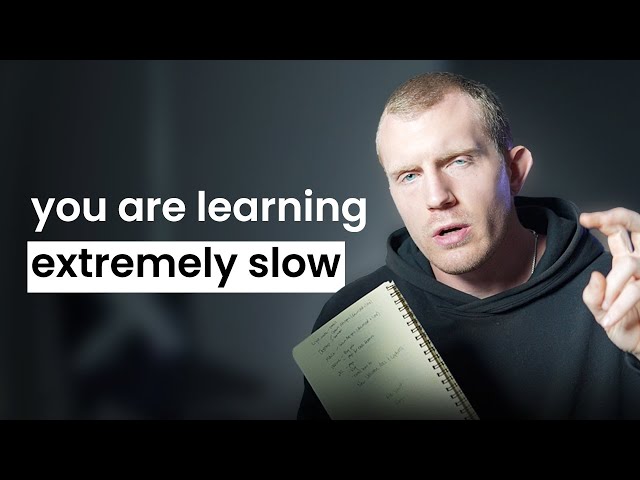
Why Most People Learn SlowAnd How to Fix It
The biggest pitfall in modern learning is information overload. We passively absorb hours of content, mistaking this for real progress. This mindset turns learning into a quest for easy dopamine hits, not meaningful skill-building. Learning, if it is not tied to action or a real purpose, becomes a way to feel busy without achieving substance.
The solution is to reframe learning as a tool for building something tangiblebe it a project, a business, a healthier body, or clearer communication. If you can learn 10x faster, you can complete projects, start ventures, and make notable improvements in your life at a much quicker pace. The meta-skill here is learning how to learn effectively, and this begins with one crucial step: defining your purpose.
Start With Purpose: Clarify Your Goals
Too often we jump into learning without a clear sense of why or how it fits into our vision of a fulfilling life. Before diving into textbooks or courses, create a detailed map of your ideal day and future. Identify what you want (and don’t want), write down specific goals, and consider what skills or knowledge gaps you need to address to get there. This process not only motivates you but also aligns your focus, letting you filter information meaningfully. If your learning lacks personal relevance, progress feels like a grindall discipline, little reward.
Weekly and daily reviewslooking at what went well, what could be improved, and articulating gratitudekeep you aligned. Over time, these habits provide clarity, making every learning choice a step towards your true objectives instead of societal defaults or outdated expectations.
Project-Based Learning: Build to Learn
Real learning happens when you use knowledge to build something. Passive consumption doesn’t stick, but when you start a projecteven if you feel unpreparedyou trigger your brain’s pattern recognition and problem-solving abilities. Projects can be anything: a professional portfolio, a fitness regimen, a creative work, or a new business. The process looks like this:
- Pick a meaningful project tied directly to your goals.
- Brain-dump ideas and inspirationsfind 3–5 sources to emulate or draw from.
- Dive in, and when you get stuck, seek answers purposefullynow tutorials become tools, not distractions.
- Capture and collect new ideas as they emerge, refining your project iteratively.
This momentum builds creative “shower thoughts” as your subconscious continues to process learning even when you step away, leading to a richer understanding over time.
Learning Through Struggle and AI Assistance
It’s normaland healthynot to know everything at the start. The act of struggling with a project primes your mind to search for, absorb, and retain new information. The modern twist? Leverage AI as your on-demand mentor. Instead of laboriously combing through forum posts or articles, ask an AI tool direct, contextual questions. AI can outline study plans, quiz you on new knowledge, and even help you break past creative blocks. Elevate your prompt engineering: frame specific, actionable queries to make the most of this evolving learning partner.
The Zeigarnik Effect: Get Started When You Don’t Feel Like It
The Zeigarnik Effect shows you’re more likely to remember unfinished tasksand feel motivated to keep working on them. Start with small, easy activities linked to your project: organize your workspace, outline ideas, or take the first steps. Once you begin, inertia often carries you forward. The key is to invoke this effect deliberately, reducing the friction of starting.
Use Study Regimens & Focused Practice
Creating a structured regimen with phasesimmersion, application, exploration, and refinementensures you don’t just dabble but master skills. Use AI (or a study partner) to generate personalized 30- or 60-day study plans. Choose foundational books, technical guides, and supplementary resources. Balance focused building time (project work), study/review blocks, and restorative walks where you let new ideas percolate.
Reflection and Teaching: Unlock The Feynman Technique & Protege Effect
To deepen understanding, you must reflect and teach. The Feynman Technique challenges you to explain concepts in simple terms, surfacing any knowledge gaps. The Protege Effect goes a step further: by teaching and sharing what you learnpublicly via writing or informal discussionsyou internalize information more deeply and clarify your thinking.
Utilize writing as a primary tool for self-reflection and audience-building. Compose weekly newsletters, share threads on platforms like LinkedIn and X, or simply keep a learning journal. These public or semi-public records expose you to feedback, reveal blind spots, and document progress.
Structuring Your Learning: Time Blocks and Systems
Learning effectively is as much about structure as it is about curiosity. Consider three focused blocks:
- 30–90 minutes working on your main project (hands-on, applying knowledge).
- 30–60 minutes of deliberate study (following your personalized regimen, taking notes).
- 30 minutes for a restorative walk (absorbing information, processing thoughts, and noting ideas).
If time is tight, spread these blocks across several daysMonday for learning, Tuesday for building, Wednesday for reflection or writing. The important habit is consistency: put these sessions on your calendar and protect them.
Conclusion: Become a Self-Directed Learner
The ability to learn quickly, efficiently, and purposefully is the ultimate competitive edge in today’s world. Move beyond passive consumption by tying your learning to personal projects, leveraging AI for assistance, and writing to cement your progress. Define your own learning goals, build strategically, and don’t be afraid to teach what you’re masteringthis multiplies your results and establishes your expertise. Embrace these systems to unlock not just faster learning, but a more intentional, fulfilling journey towards your goals.
Note: This blog is written and based on a YouTube video. Orignal creator video below: