

Overview
In the bustling world of app development, iOS often steals the spotlight. However, a recent success story shows that Android still holds immense untapped potential. Steve, an entrepreneur who launched a straightforward AI-powered calorie counter app, has scaled his business to over $100,000 in monthly revenueprimarily through Android users. This blog post explores Steve’s journey, strategies, and actionable insights that can inspire developers and founders to consider Android as a lucrative platform in 2026 and beyond.
The Overlooked Opportunity: Android App Growth
Today, much of the developer community is focused on iOS. Bootcamps, social media threads, and product launches often revolve around Apple’s ecosystem. Yet, as Steve’s story demonstrates, Android remains a vast and often underexploited market. With billions of devices worldwide and a more diverse user base, Android offers growing opportunitiesespecially for those willing to challenge conventional wisdom.
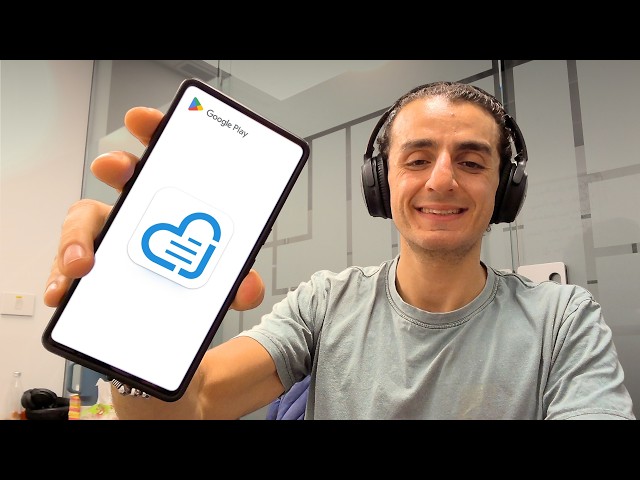
Steve’s app, Joinable, is a simple yet powerful AI nutrition assistant. It tracks calories, macros, weight loss progress, and leverages AI to offer a frictionless user experience. Over 80% of its users and revenue originate from Android, highlighting the platform’s underestimated earning potential. In just 18 months, Joinable grew its monthly run rate to $100,000, with almost one million Android downloads and more than 30,000 active subscribers.
Simplicity Over Complexity: Building for User Value
One of the standout features of Joinable’s success is its relentless focus on simplicity. Unlike competitors bogged down by excessive features, Joinable keeps its interface straightforward, ensuring a quick and effortless experience for users. Steve’s own weight loss journey revealed a gap: most nutrition-tracking apps were too complex and intimidating. By offering a product that solves a real problem efficiently, Joinable quickly won over users.
This keen focus reflects a key product principle: sometimes, less truly is more. Developers often want to build everything at once. However, stripping down features to ’just what’s essential’ not only appeals to busy customers but also results in higher engagement and satisfaction.
Why Android? The Business Case
Conventional wisdom tells developers to focus on iOS, assuming users spend more. But Steve’s data-centric approach turned this assumption on its head. Being self-funded and operating on limited budgets, Steve discovered that user acquisition costs on iOS were almost four times higher than Android. Yet, conversion rates for Android weren’t drastically loweronly about 20% less.
Armed with these insights, Steve and his team doubled down on Android marketing. They found that not only was it more cost-effective, but it also resulted in some organic spillover to iOS.
A Winning Playbook: Step-by-Step Android App Growth Strategy
- Measure and Attribute: Set up robust attribution and measurement tools. This ensures every app eventfrom installs to purchasesis tracked and fed into Google Ads. Effective measurement is critical for optimizing campaigns.
- Start with Install Campaigns: Launch app install campaigns on Google Ads to provide the algorithm with necessary data. Provide various assetscopy, images, and videosso Google can optimize what resonates with users.
- Optimize Creative Assets: Once campaigns are running, analyze performance data and refine creatives. Rather than obsess over minor tweaks, make bold changes in your visuals and copy to see what moves the needle.
- Leverage Google’s Full Network: Run campaigns across Google’s digital real estateSearch, Display, YouTube, Discoverand focus heavily on Play Store search advertising. This is usually the highest converting placement for app installs.
- Scale Budgets Intelligently: As you gain data and optimize, steadily increase your budgets. Google’s algorithm performs best when fed a high volume of conversions (ideally 10x your target cost per install or acquisition daily).
- Relentlessly Optimize the Product: Continually refine your paywall, pricing, and onboarding to maximize your subscription conversion rate. The higher the conversion, the more profitably you can scale.
Market Trends: Android’s Room to Grow
In recent years, the number of iOS apps released has quintupled, while Android’s has only doubled. The iOS ecosystem has become increasingly saturated, whereas many successful iOS concepts lack Android counterparts. This creates a fertile landscape for founders willing to build quality Android-first products, especially in niche markets or for underserved problems yet unsolved by existing apps.
Moreover, a growing number of users in emerging markets are Android-first, and localizing your app can open new revenue streams, especially in non-English speaking regions. As Steve highlighted, much of Joinable’s growth also leveraged translation and internationalization to reach more customers.
Tech Stack: Efficient, Scalable, and Google-Centric
Joinable’s tech stack is deeply rooted in the Google ecosystem, which streamlines development, analytics, and growth.
- Backend: Firebase, Google Analytics (GA4), BigQuery, and Google Cloud Platform
- Monetization: RevenueCat for managing premium subscriptions
- Ads & Growth: Google Ads for user acquisition
- Support & Productivity: Tools like OpenAI, GitHub Copilot, AppFollow (for ASO), and Webflow for landing pages
This focused and cost-effective stack enables rapid iteration and robust analytics, further powering data-driven decisions across the business.
Lessons Learned: Data-Driven Growth and Building in Public
A recurring theme in Steve’s journey is decision-making grounded in data. Every major product or growth decisionwhether running new campaigns, optimizing assets, or adjusting pricingwas informed by analysis rather than assumptions. Founders aspiring to reach similar heights should build feedback loops that measure user behavior and act on it continuously.
An additional piece of advice: document your journey. Building an audience alongside your product is a powerful amplifier, both for personal growth and business resilience. In today’s world, content creation can be as invaluable as code.
Conclusion
Steve’s story offers a compelling roadmap for app developers and founders looking to break into mobile SaaS. Android remains a goldmine for those willing to leverage its scale, cost efficiencies, and relatively lower competition. By focusing on user-centric simplicity, acting on real data, and embracing bold marketing experiments, it’s possible to build a million-dollar appeven without investors or a massive team.
In summary: Don’t just follow the crowd. Dig into the data, solve real problems for users, and remember that sometimes the biggest opportunities are hiding in plain sightjust waiting for you to seize them.
Note: This blog is written and based on a YouTube video. Orignal creator video below: