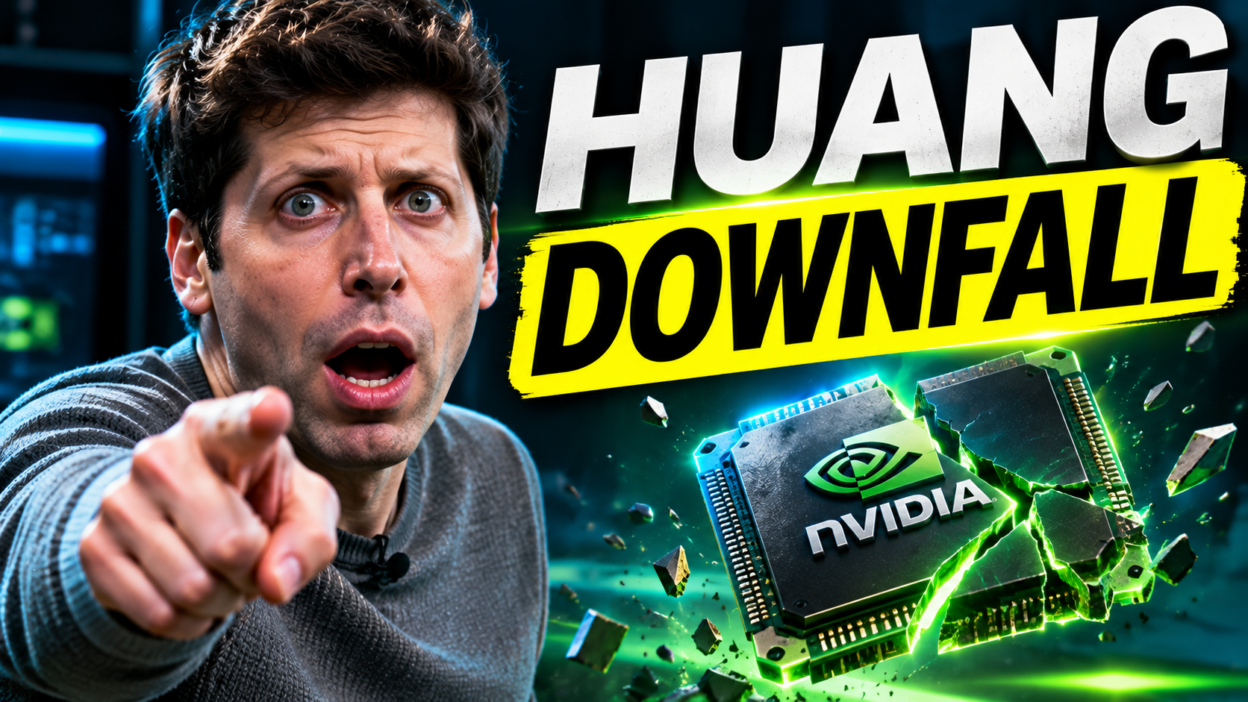
Former Nvidia CEO Jensen Huang is facing a bizarre wave of internet satire following his sudden resignation. Online creators are using generative AI video tools like Kling and Higgsfield, running on Nvidia chips, to parody his downfall, creating an unforgettable cultural twist for tech watchers and creators.
Key Takeaways: The Irony of the Nvidia Meme Wave
- A Poetic Full Circle: The generative video engines making fun of Huang rely on the high-performance GPUs he spent decades promoting.
- Next-Level Satire: Instead of static Photoshop edits, creators are generating synthetic movie parodies, fake trailers, and viral dance clips in minutes.
- Consumer AI Maturity: Platforms like Kling, Higgsfield, and Runway now let anyone turn breaking news into cinematic satire without studio equipment.
- The Deepfake Dilemma: The viral moment highlights how quickly realistic AI video can muddy the waters between harmless humor and deceptive media during corporate controversies.
How the Chips That Built Generative AI Turned on Their Champion
If you wrote this into a movie script two years ago, a Hollywood producer would have rejected it for being too on the nose. Jensen Huang spent years pacing keynote stages in his signature black leather jacket, telling developers that generative video and accelerated computing would reshape reality. He was right. What he probably did not anticipate was that reality reshaping would start with his own likeness.
Following his sudden resignation from Nvidia, the online community did not just write hot takes on X or LinkedIn. Instead, they spun up the newest generation of video models. Within hours of the news breaking, feeds filled with surreal clips placing Huang into awkward romantic comedies, fictional courtroom dramas, and trending TikTok dances.
From Leather Jackets to Cinema Parodies
The speed of this meme cycle proves how fast creative production has accelerated. Just like we explored in our look at how AI speeds up design workflows, creating convincing satirical videos once required days of specialized visual effects work. Now, creators simply grab a recent headshot, write a descriptive prompt, and let the model animate realistic lip movements and fluid camera pans in under two minutes.
Online communities have produced full spoof trailers, including parodies of classic films like 500 Days of Summer (reimagined as “500 Days of Chip”) and Love Actually. It is equal parts technical demonstration and public roasting, showing that the internet never misses a chance for dramatic irony.
Breaking Down the Meme Engine: Tools in the Mix
Creators did not rely on single platforms. They chained together multiple visual generation tools to build rapid satire pipelines:
| Tool | Core Role | Why It Stood Out |
|---|---|---|
| Kling AI | Realistic video generation | Handles complex camera moves and cinematic angles with minimal artifacts. |
| Higgsfield | Short-form motion clips | Allows fast character movement and expressive facial animations tailored for social media. |
| Midjourney | Base image staging | Creates high-detail character stills that creators then feed into video animators. |
The Upsides and Pitfalls of Generative Parody
Watching this unfold in real time reveals a lot about where consumer AI tech stands today. There are clear technical breakthroughs here, but also genuine concerns that the industry needs to confront.
The Upsides
- Unprecedented Creative Speed: Independent digital artists can turn real-time cultural moments into polished multimedia pieces without Hollywood budgets.
- Showcase of True Progress: The coherence in lighting, physics, and character consistency shows how far AI video models have advanced over the past twelve months.
- Decentralized Satire: Comedy and commentary are no longer bottlenecked by slow production cycles, allowing internet culture to react instantaneously.
The Pitfalls
- Blurring Fact and Fiction: When satirical videos look nearly photorealistic, less tech-savvy viewers can easily mistake parodies for genuine footage.
- Likeness and Consent Gray Zones: The event lays bare the unresolved ethical questions surrounding public figures and unauthorized synthetic likenesses.
- Brand Risk for Tech Platforms: The tools used to create these videos often struggle to enforce content guardrails when users combine subtle prompts with public domain humor.
What This Moment Tells Us About Tech Culture
Tech giants often present artificial intelligence as an enterprise tool designed for supply chains, scientific discovery, and developer productivity. Yet the internet’s favorite use case remains spontaneous, chaotic cultural commentary. The fact that Nvidia’s silicon infrastructure powered both the rise of these models and the memes mocking its former leader is tech poetry at its finest.
As video generation tools become faster and more accessible on everyday devices, every major public scandal, corporate departure, and political debate will likely get its own instant synthetic parody reel. The tools Huang helped popularize have officially slipped out of the boardroom and firmly into the hands of internet pranksters.
Frequently Asked Questions
Why are people creating AI memes about Jensen Huang?
Creators are parodying Jensen Huang following his abrupt resignation as CEO of Nvidia. Because Huang was one of the loudest advocates for generative AI hardware, the internet found poetic irony in using those exact technologies to satirize his exit.
Most creators are utilizing video generation tools such as Kling AI, Higgsfield, and Runway Gen-3, often combining them with base images created in Midjourney and voice synthesis software.
Do these AI video generators actually run on Nvidia chips?
Yes. The vast majority of top-tier generative AI models, including video synthesis platforms, rely heavily on Nvidia GPU clusters for training and cloud inference.
Are these satirical deepfakes legal?
Parody generally receives strong protections under fair use laws in many jurisdictions, but using realistic synthetic likenesses continues to spark intense legal and ethical debates around personality rights and digital identity.